💻 MacBook Air 13 M5 vs MacBook Pro 14 M5
AI-powered analysis across 32 matched specifications
Performance Overview
Scores based on quantifiable specification values (1-10 scale)
Detailed Specifications
| Specification | MacBook Air 13" (M5) Apple | MacBook Pro 14" (M5) Apple |
|---|---|---|
| Key Metrics | ||
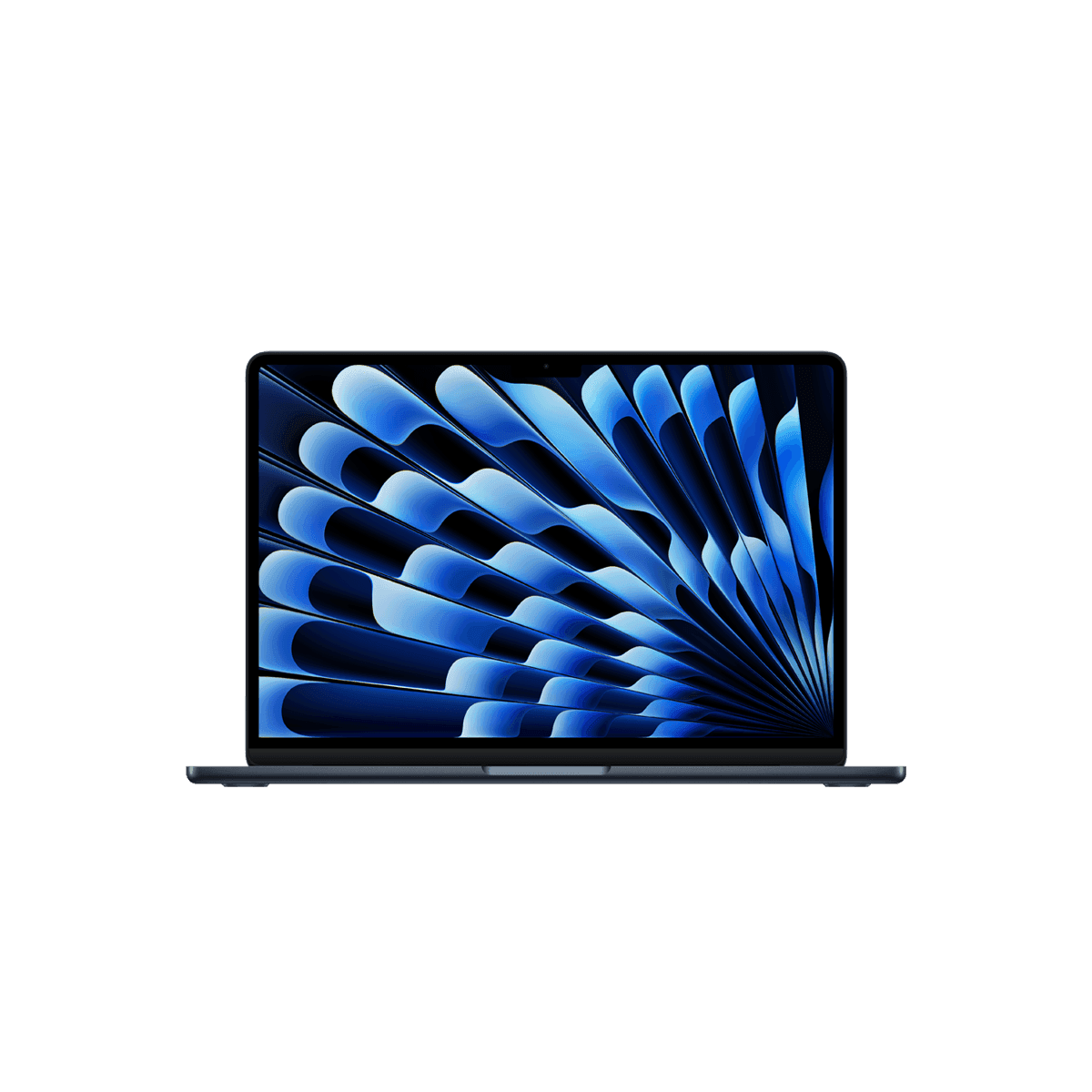
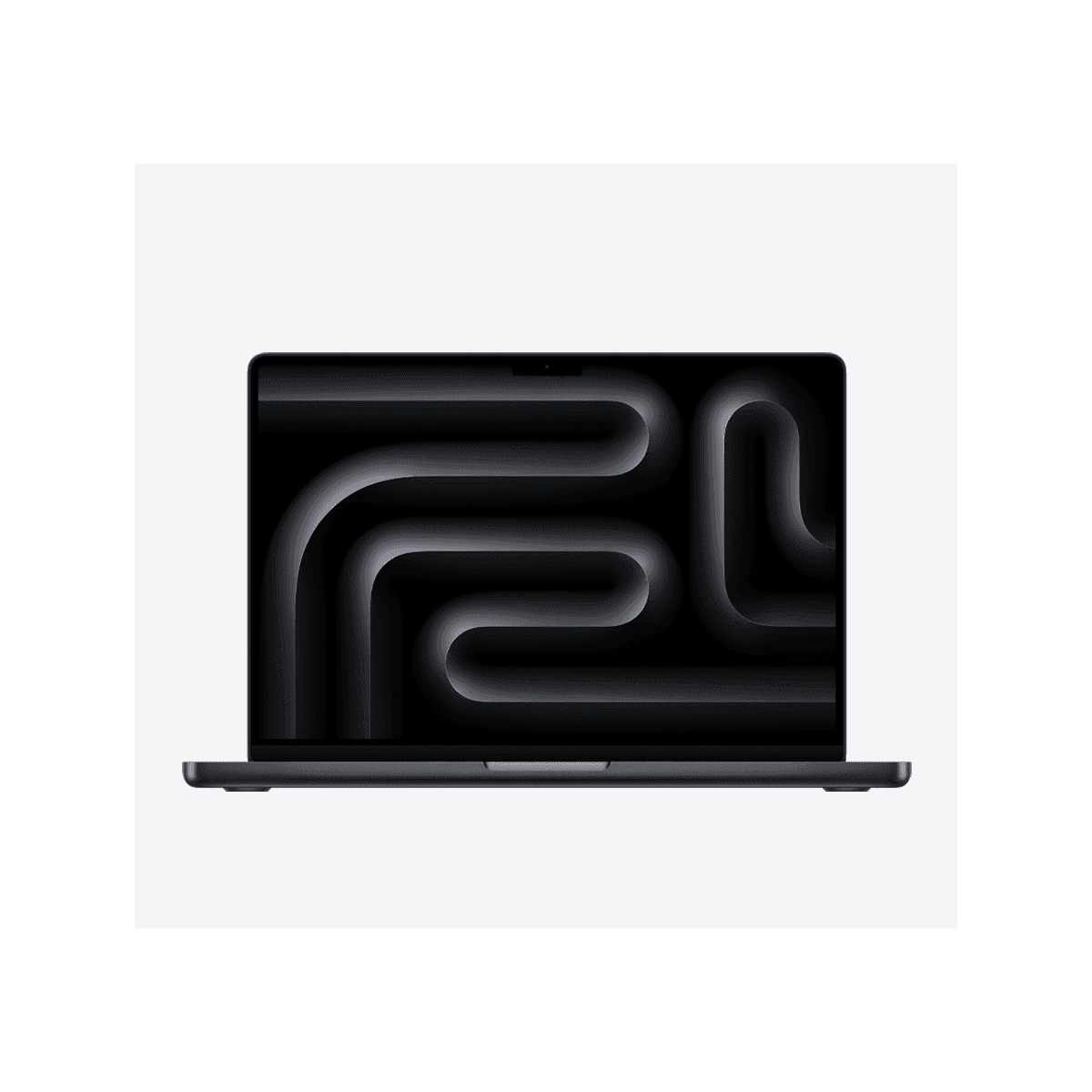
| Display | 13.6" Liquid Retina 2560 × 1664, 500 nits | 14.2" Liquid Retina XDR mini-LED 3024 × 1964, ProMotion 10–120 Hz |
| Chip options | Apple M5 (10-core CPU, 10-core GPU) | Apple M5 / M5 Pro / M5 Max |
| Maximum unified memory | 32 GB | 128 GB (M5 Max) |
| Maximum SSD | 4 TB | 8 TB |
| Battery life (Apple-rated) | Up to 18 hours | Up to 24 hours (model-dependent) |
| Cooling | Fanless (passive) | Active cooling with fans |
| Display | ||
| Panel technology | IPS Liquid Retina | mini-LED Liquid Retina XDR |
| Native resolution | 2560 × 1664 | 3024 × 1964 |
| Refresh rate | 60 Hz | ProMotion adaptive 10–120 Hz |
| Sustained brightness (SDR) | 500 nits | 1,000 nits |
| HDR peak brightness | -- | 1,600 nits |
| Wide colour / reference modes | P3 wide colour | P3 wide colour with reference modes for HDR, print and video workflows |
| Compute and memory | ||
| CPU cores (base) | 10-core (M5) | 10-core (M5); up to 14-core (M5 Max) |
| GPU cores | 10-core | Up to 40-core (M5 Max) |
| Neural engine | 16-core with per-core Neural Accelerators | 16-core with per-core Neural Accelerators |
| Memory range | 16–32 GB unified | 24–128 GB unified |
| Memory bandwidth | Standard M5 bandwidth | Higher bandwidth on M5 Pro/Max for large-model and video workloads |
| Connectivity and ports | ||
| Thunderbolt / USB-C | 2× Thunderbolt 4 | 3× Thunderbolt 4 (M5) or Thunderbolt 5 (M5 Pro/Max) |
| HDMI | -- | HDMI 2.1 |
| SD card reader | -- | SDXC (UHS-II) |
| MagSafe charging | MagSafe 3 | MagSafe 3 |
| Wireless | Wi-Fi 7 + Bluetooth 6 (Apple N1) | Wi-Fi 7 + Bluetooth 6 (Apple N1) |
| External displays | Up to 2 external displays (lid open or closed) | Up to 4 external displays (M5 Max) |
| Portability and audio | ||
| Form factor | 13.6" ultraportable, fanless | 14.2" pro chassis, actively cooled |
| Colour options | Sky Blue, Silver, Starlight, Midnight | Space Black, Silver |
| Camera | 12 MP Center Stage with Desk View | 12 MP Center Stage with Desk View |
| Speakers | Four-speaker system with Spatial Audio | Six-speaker system with force-cancelling woofers |
| Studio-quality mics | Three-mic array | Studio-quality three-mic array |
| Business and management | ||
| Operating system | macOS | macOS |
| MDM / zero-touch | Apple Business Manager + Automated Device Enrolment | Apple Business Manager + Automated Device Enrolment |
| Security silicon | Secure Enclave, hardware-verified boot, FileVault | Secure Enclave, hardware-verified boot, FileVault |
| AppleCare for Business | Available | Available |
Expert Analysis
The practical difference between these two is not the chip — both start with the same M5 — it is thermals, display and I/O. The MacBook Air 13 M5 is fanless, which means short bursts (Xcode builds, Lightroom exports, a Teams call with background blur) are quick, but sustained workloads will throttle. The MacBook Pro 14 M5 has active cooling, a mini-LED ProMotion XDR display, more ports and the option to step up to M5 Pro or M5 Max with up to 128 GB of unified memory. For roughly the same starting silicon, you are paying for headroom and screen, not raw single-thread speed.
The Air wins decisively on portability, silence and price. At 13.6 inches and fanless, it is the better daily driver for knowledge workers, sales staff, executives and hybrid users whose heaviest task is a browser with 40 tabs, Office 365, Teams and the occasional Photoshop session. Wi-Fi 7 via the new Apple N1 chip, two Thunderbolt 4 ports and MagSafe cover most desk setups, and 18-hour battery life means a full UK working day without the charger. The compromise is a 60 Hz 500-nit IPS panel and a hard ceiling of 32 GB RAM and 4 TB SSD.
The Pro 14 earns its premium when the workload is sustained or visually demanding: video editors in DaVinci Resolve or Final Cut, developers compiling large Swift or LLM projects, photographers needing reference colour modes, or anyone driving multiple 4K/5K external displays. The mini-LED XDR panel at 1,000 nits sustained / 1,600 nits HDR peak, ProMotion 120 Hz, HDMI 2.1, an SDXC slot and (on Pro/Max) Thunderbolt 5 are genuine creative-pro features the Air cannot match. The six-speaker system is also noticeably better for media review.
Recommendation framework for UK buyers: standardise on the Air 13 M5 for general business fleets — it is lighter, cheaper to deploy at scale through Apple Business Manager, and silent at the desk. Reserve the Pro 14 M5 for creative, engineering and data-science roles where the user will actually exploit ProMotion, the XDR display, 64 GB+ memory or Thunderbolt 5. Mixing both within a single Apple estate is straightforward; over-specifying the Pro for users who only need Office and a browser is the most common — and most expensive — mistake we see.
Ready to proceed?
Want to compare different products or add more to this comparison?
Open Interactive Comparison Tool →