
💻 Dell Pro Max 16 vs MacBook Pro 16 M5 vs ThinkPad T16 Gen 4
AI-powered analysis across 29 matched specifications
Performance Overview
Scores based on quantifiable specification values (1-10 scale)
Detailed Specifications
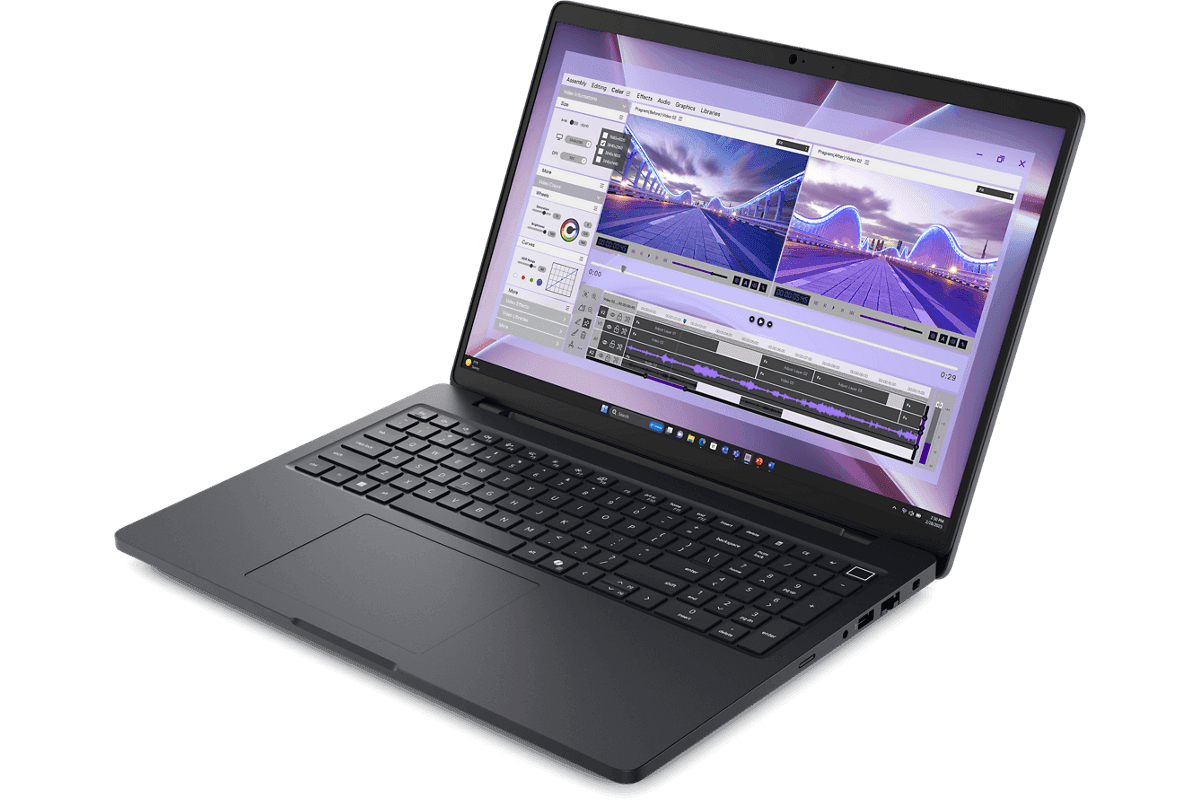
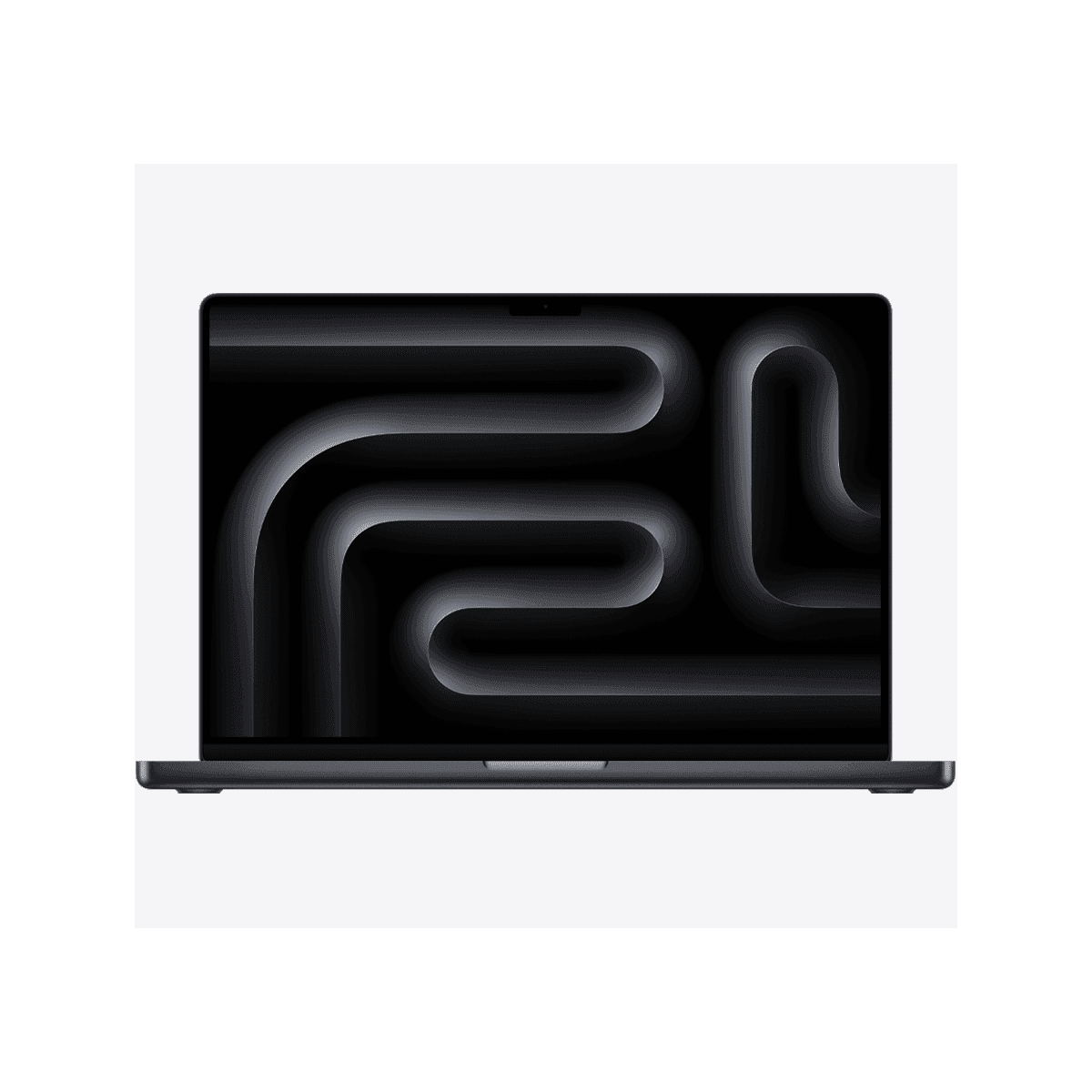
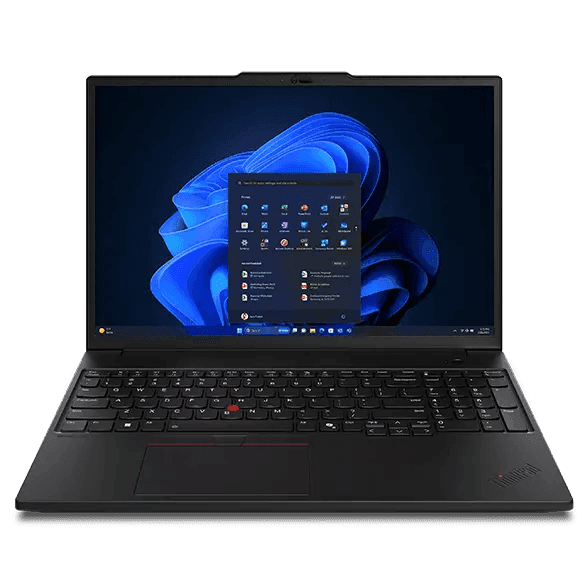
| Specification | Dell Pro Max 16 Dell | MacBook Pro 16" (M5 Pro / M5 Max) Apple | ThinkPad T16 Gen 4 Lenovo |
|---|---|---|---|
| Key Metrics | |||
| Display | 16.0" QHD+ 2560×1600 IPS or 4K OLED touch | 16.2" Liquid Retina XDR 3456×2234 mini-LED ProMotion | 16.0" WUXGA 1920×1200 IPS or WQUXGA 3840×2400 OLED |
| CPU options | Intel Core Ultra 7/9 HX (up to 24 cores) | Apple M5 Pro or M5 Max | Intel Core Ultra 5/7 Series 2 (vPro) |
| Discrete / pro GPU | NVIDIA RTX Pro 1000–5000 Ada (up to 16 GB GDDR6) | Integrated M5 Pro/Max GPU (up to 40-core class) | Intel Arc integrated only |
| Max memory | 128 GB DDR5 ECC SO-DIMM (4 slots) | 128 GB unified memory | 64 GB DDR5-5600 SO-DIMM (2 slots) |
| Max storage | 16 TB quad M.2 PCIe Gen4 NVMe (RAID 0/1/5) | 8 TB SSD | Single M.2 PCIe Gen4 NVMe (user-replaceable) |
| Stated battery life | -- | Up to 24 hours | Vendor-published figure varies by config |
| Display | |||
| Panel size | 16.0" | 16.2" | 16.0" |
| Base resolution | 2560×1600 QHD+ | 3456×2234 Liquid Retina XDR | 1920×1200 WUXGA |
| Premium panel option | 4K OLED touch | mini-LED ProMotion (standard) | 3840×2400 WQUXGA OLED |
| Refresh rate | -- | Up to 120 Hz ProMotion | -- |
| Touch | Yes (on 4K OLED option) | No | No |
| Compute & Memory | |||
| CPU family | Intel Core Ultra HX (Arrow Lake-HX class) | Apple silicon M5 Pro / M5 Max | Intel Core Ultra Series 2 (vPro) |
| Max CPU cores | 24 | Apple does not publish a single core count — varies by SKU | Up to 16 (Ultra 7) |
| ECC memory | Yes (DDR5 ECC SO-DIMM) | No (unified memory, non-ECC) | No |
| Memory upgradeable | Yes — 4 SO-DIMM slots | No — soldered unified memory | Yes — 2 SO-DIMM slots |
| Discrete GPU | NVIDIA RTX Pro 5000 Ada up to 16 GB GDDR6 | None (integrated Apple GPU) | None |
| Storage & Connectivity | |||
| Storage capacity | Up to 16 TB across 4× M.2 | Up to 8 TB | User-replaceable M.2 NVMe (typ. up to 2 TB) |
| RAID | RAID 0/1/5 | No | No |
| Thunderbolt | Thunderbolt 5 (dual-port) | 3× Thunderbolt 5 (80/120 Gbps) | Thunderbolt 4 |
| HDMI | Yes | HDMI 2.1 | Yes |
| Wired Ethernet | -- | No (USB-C dongle required) | Built-in RJ-45 GbE |
| SD card | -- | Yes | Optional / SKU-dependent |
| Wireless | Wi-Fi 7 | Wi-Fi 7 | Wi-Fi 7, optional 5G WWAN |
| Charging | 240 W (USB-C) | MagSafe 3 (fast charge) | USB-C PD |
| Build, Security & Management | |||
| Chassis | Aluminium workstation chassis | Aluminium unibody | Aluminium top, 90% recycled magnesium bottom |
| Durability testing | -- | -- | MIL-STD-810H |
| Keyboard with numpad | Yes (full-size travel) | No | Optional |
| Manageability | Intel vPro Enterprise, Dell Client Command Suite | Apple Business Manager / MDM (Jamf, Intune, Kandji) | Intel vPro Enterprise, Lenovo Commercial Vantage |
| Hardware security | TPM 2.0, optional smart card / IR camera | Apple Secure Enclave, Touch ID | Discrete TPM 2.0, ThinkShield, fingerprint, IR camera |
Expert Analysis
The single biggest practical difference here is what each machine is actually built to do. The Dell Pro Max 16 is a true ISV-certified mobile workstation — discrete NVIDIA RTX Pro Ada graphics, ECC memory across four SO-DIMM slots, and up to 16 TB of NVMe in RAID. The MacBook Pro 16 M5 is the most refined creator and developer laptop on the market, with a class-leading mini-LED ProMotion display and the best battery life in the group by a wide margin, but no discrete GPU and no upgradeable RAM. The ThinkPad T16 Gen 4 is the mainstream large-screen business laptop of the three: lighter on raw GPU horsepower, but with built-in GbE, optional 5G WWAN, MIL-STD-810H testing and the easiest serviceability story for a UK fleet manager.
For engineering, CAD, BIM, GIS, Unreal/Unity content and on-device AI inference where CUDA matters, the Dell wins clearly — nothing Apple ships will run SolidWorks Visualize, Revit, ANSYS Discovery or NVIDIA Omniverse workloads natively, and the ThinkPad T16 has no discrete GPU at all. For video editing in Final Cut/DaVinci, Xcode development, Logic, and any workflow that benefits from the unified memory architecture and ProMotion HDR panel, the MacBook Pro is the better tool, and it does it at roughly half the weight-of-use thanks to a genuinely all-day battery. The ThinkPad sits between them as the sensible default for knowledge-worker fleets: Office, Teams, light Adobe, line-of-business apps, with vPro, ThinkShield, smart-card readers, WWAN and the cheapest per-seat lifecycle of the three.
Management and procurement context matters in the UK. Both the Dell and the Lenovo are Intel vPro Enterprise machines that drop straight into existing Intune/SCCM/MECM estates with wired Ethernet for PXE imaging — the ThinkPad still ships RJ-45 on-board, which remains genuinely useful for NHS, local-government and financial-services deployments where USB-C dongles are a support headache. The MacBook Pro requires a Mac-aware management plane (Jamf, Kandji or Intune for Mac) and a dongle for wired networking, which is fine if you already run a mixed estate but a real cost if you don't.
Recommendation framework: pick the Dell Pro Max 16 if any user in scope needs RTX Pro graphics, ECC RAM or more than 8 TB of internal storage — it is the only true workstation here. Pick the MacBook Pro 16 M5 for creative, developer and executive users who value display, battery and silent operation over GPU compute and upgradeability. Pick the ThinkPad T16 Gen 4 as the volume large-screen Windows laptop for general business users where vPro manageability, WWAN, durability and price-per-seat matter more than discrete graphics.
Ready to proceed?
Want to compare different products or add more to this comparison?
Open Interactive Comparison Tool →